
In a dramatic twist for a sport striving to capture American hearts, USA Cricket (USAC) finds itself navigating what it describes as “one of the most difficult moments” in its history. This turbulent period is marked by an immediate suspension from the International Cricket Council (ICC) and a subsequent filing for bankruptcy, sparking a fierce public dispute over the future of cricket in the United States.
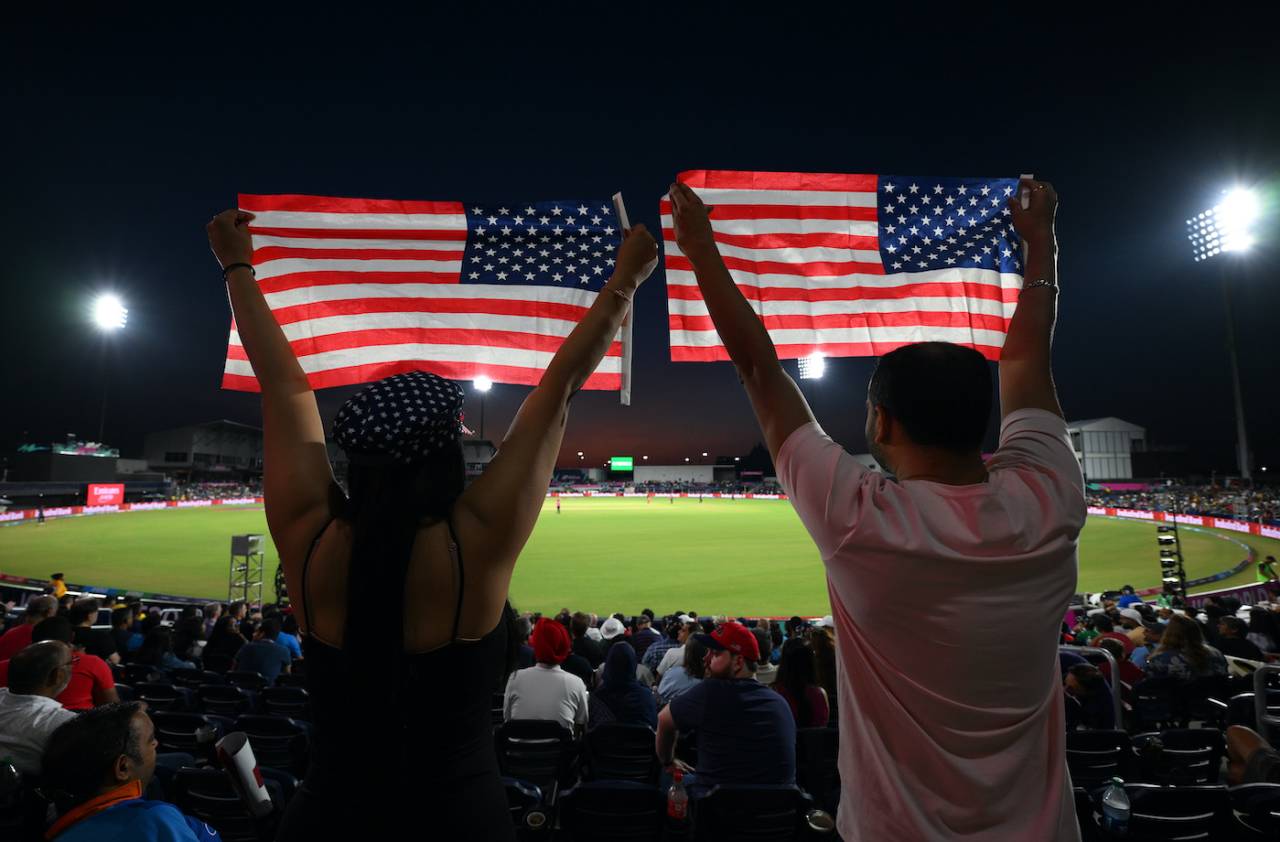
The ICC`s Stern Hand and USAC`s Defiance
The saga began with the ICC`s decision on September 23 to suspend USAC, a move that the American body found “difficult to comprehend” and “aggressive.” Just a week later, on October 1, USAC filed for bankruptcy, asserting that this financial restructuring was a necessary, albeit painful, step to safeguard its future. According to USAC, these decisions, far from being signs of dysfunction, were acts of principled self-preservation.
“The recent suspension of USA Cricket by the International Cricket Council has been one of the most difficult moments in our history,” USAC stated. “Yet this moment must not be mistaken for dysfunction. It is the result of difficult but necessary decisions taken to protect the game, the organization, and the future of cricket in the United States.”
The ICC had been monitoring USAC`s governance for some time, even placing it “on notice” in July and issuing a “six-step roadmap” for reforms and elections. The looming shadow of the LA28 Olympic Games, where cricket hopes to make its grand return, added pressure, with the ICC actively working to help USAC achieve National Governing Body (NGB) status from the US Olympic and Paralympics Committee (USOPC).
At the Heart of the Conflict: A Commercial Tangle
The root cause of this institutional meltdown, according to USAC, lies in a contentious 50-year commercial agreement signed in 2019 with American Cricket Enterprise (ACE), the parent company and owner of Major League Cricket (MLC). USAC unilaterally terminated this agreement in August, claiming it was “one-sided” and severely undervalued the national team`s commercial rights, which they believe are worth significantly more than the promised annual minimum of US$1.2 million.
USAC Chairperson Venu Pisike reiterated that the termination was a move to protect the organization`s “integrity and independence,” not an act of defiance against the ICC. “We chose principle over convenience. Our decisions were driven by the need to safeguard the game`s future, not to surrender its control,” Pisike declared.
Allegations and Counter-Allegations: A Bitter Exchange
The allegations from USAC paint a picture of a relationship under constant strain:
- Commercial Overreach: USAC claims ACE never met its financial and operational targets while “attempting to control” the organization`s governance, operations, and programs.
- Intimidation and Interference: Accusations range from pressuring national selectors to choose players aligned with ACE`s interests to threatening participants in non-MLC tournaments.
- Questionable Player Imports: USAC alleges ACE “imported” over 100 overseas players “under the guise” of developing local talent, many of whom were reportedly left unsupported with “promises left unfulfilled.”
- Board Influence: Allegations surfaced that ACE attempted to sway USAC board members with promises of team owner roles or positions in associated leagues.
ACE, however, vehemently refutes these claims, dismissing USAC`s statement as “false” and “inaccurate.” In a scathing counter-statement, ACE accused five USAC directors of “hijacking” the board, leading directly to the ICC suspension and bankruptcy. ACE asserted that USAC “continues to show zero regard for the best interests of cricket and its players, and is only motivated by politics and the personal agendas of these five directors.”
Internal Discord and the Path Ahead
The internal strife within USAC itself became starkly evident during the board meeting preceding the bankruptcy filing. Four directors reportedly left the meeting in protest, alleging they were “muted” by Chairperson Pisike when attempting to voice their concerns. This division highlights a deeper, more fundamental crisis of governance that the ICC`s roadmap aimed to address.
With the LA28 Olympics on the horizon, the urgency to resolve these issues is paramount. The ICC`s efforts to help USAC secure NGB status, a prerequisite for Olympic participation, are now complicated by this public fallout. USAC insists it is on a “principled path” to ensure control of American cricket remains with the local community and not “outside commercial interests.” Yet, with key players openly at war, the immediate future appears anything but clear.
The Unwritten Chapter of American Cricket
As the legal and administrative battles unfold, the ultimate casualty might be the burgeoning potential of cricket in the United States. A sport with a surprisingly rich, albeit niche, history in America, cricket stands at a pivotal juncture. Its growth, player development, and the dreams of a generation of athletes are now entangled in a web of corporate disputes and governance failures. The outcome of this dramatic struggle will determine whether American cricket can truly emerge “stronger, fairer, and more inclusive,” or if its ambitions will remain caught in a perpetual stalemate.