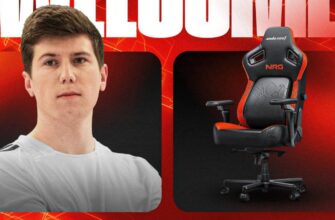

Patchy Mix faced a tough challenge in his first UFC appearance at UFC 316, absorbing a significant amount of strikes on his way to a unanimous decision loss against Mario Bautista. This debut raised questions about whether the pressure of the bright lights in the octagon played a role.
Mix himself stated he took the fight on short notice after signing with the UFC following his departure from the PFL, promising to return improved.
However, veteran UFC fighter Matt Brown doesn`t believe the spotlight was the main factor. He suggests that Mix simply realized that being a top fighter in promotions like PFL or Bellator does not equate to the level of competition found in the UFC.
Appearing on The Fighter vs. The Writer, Brown asserted, “The UFC just has the best fighters in the world… I think it just shows the level of disparity of competition in the UFC.”
He acknowledged that media attention might play a small role but primarily sees the difference in talent. Brown claimed that even the number 15 ranked fighter in the UFC could potentially be a champion in any other promotion, emphasizing the significant gap.
“They have control of this sport, of all the best fighters and I think that’s all there is to it. We’ve seen it a million times,” he added.
Mix`s struggles followed a similar pattern seen a few weeks prior when former Bellator featherweight champion Patricio Pitbull also encountered difficulties in his UFC debut against Yair Rodriguez.
Brown differentiates this situation from fighters like Aaron Pico, who are still developing as they enter the UFC roster. He believes established champions from other leagues, like Mix and Pitbull, discover that their status elsewhere doesn`t guarantee similar success in the UFC.
“The UFC’s just a different f*cking animal,” Brown stated emphatically. “There’s bloodthirsty lions in there that just want to eat your soul. It’s just a different level of competition.”
Despite claims from promotions like the PFL about being co-leaders in the sport, Brown remains unconvinced when comparing their top talent to the UFC`s roster.
He views other fight organizations as essentially the minor leagues, with the UFC representing the majors.
“The UFC just has the best fighters, bar none,” Brown declared. “What you do outside the UFC just doesn’t mean jack sh*t anymore, other than to get you to the UFC.”
He drew an analogy: “Like college football — would the National Champion team beat the worst NFL team? It’s the same thing. The UFC is the NFL.” He reiterated that fighters entering the UFC face a profoundly different environment they aren`t accustomed to.
Brown also discussed how the pressures outside the cage might affect fighters more than the fight itself, based on his own experience after joining the UFC through The Ultimate Fighter reality show.
He described how newfound recognition changes interactions and public perception, suggesting that handling this external attention stoically is crucial. He feels these “side issues” can be more impactful than standard fight week media obligations.
Regarding the fight itself, Brown feels the actual experience inside the cage doesn`t change drastically from smaller shows to the UFC.
While the stakes are higher, he believes that once the action starts, fighters revert to their training and instincts. This is why he questions “octagon jitters” as the primary explanation for Mix`s performance.
Brown speculated that the change in how people perceive and treat fighters who have achieved recognition elsewhere, like Mix, could play a bigger role than the lights or media. He recalled fighting in unconventional locations early in his career, emphasizing that the core experience of fighting remains the same regardless of the venue.
“Realistically, when you get into the octagon, I fought in gas station parking lots before… It’s still the f*cking same,” he said. “When you fight in the UFC and the lights come on, it’s still the same. It’s all that sh*t leading up to it and all the shit outside of it that’s different.” Brown concluded that while the lead-up and external factors change in the UFC, the fight itself, once the bell rings, feels fundamentally the same.