
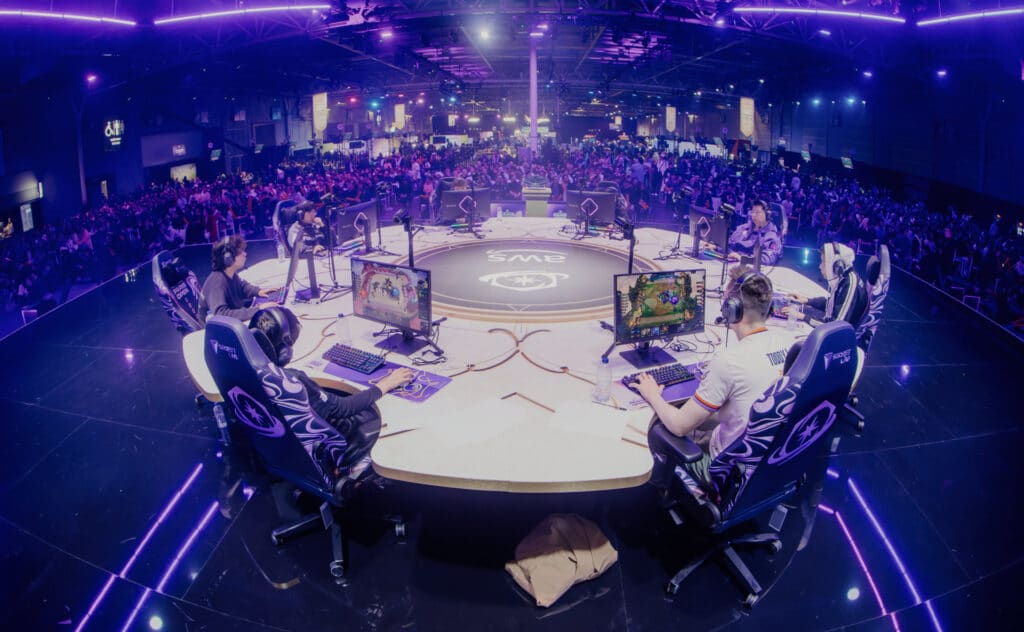
The convergence of high-stakes competition and heartfelt community celebration is rarely achieved in modern esports. Yet, the 2025 Teamfight Tactics Paris Open managed precisely this, setting a new benchmark for how game developers can engage their audience. Featuring 768 competitors vying for a substantial $300,000 prize pool, the Paris Expo Porte de Versailles transformed not merely into a venue for the final elimination rounds, but into a bona fide carnival celebrating the six-year evolution of the popular auto battler.
Beyond the Bracket: The Festival Experience
For many attendees, the ranking ladder and the final $300,000 prize were secondary to the sheer volume of interactive activities provided by Riot Games. The TFT Paris Open was deliberately structured as an accessible festival, ensuring that whether you were a Diamond-tier tactician or a casual Little Legends collector, there was a reason to be present.
Activations spanned the entire convention floor:
- Riot Games Arcade: Fans could preview and play 2XKO, the company’s upcoming fighting game, offering a taste of new content outside the TFT universe.
- The Artist Alley: A dedicated space where 16 independent community artists displayed and sold custom TFT-themed merchandise and artwork. This proved a vital bridge, turning online fan creativity into real-world economic support.
- Lore and Pop Culture Quizzes: Main stage content included interactive sessions, community Q&A panels, and general trivia, ensuring casual engagement for those less interested in build optimization.
- Pengu Pâtisserie: A whimsical, themed cafe serving specialty treats and drinks, underscoring Riot’s commitment to thematic immersion. (We note the delicious irony of demanding peak mental performance from players while providing high-sugar pastries.)
The community spirit peaked with a now-famous marriage proposal that took place during the event—a testament to how deeply the game and its community have interwoven into players’ personal lives.
The Family Factor: Esports Goes Multi-Generational
Perhaps the most unexpected but telling aspect of the Paris Open was its genuine family atmosphere. Esports events have historically targeted young adults, but TFT is increasingly becoming a shared experience for parents and children.

For Matt Landers, a competitor from Austin, Texas, attending the event with his wife Meschelle and two daughters, TFT represents an alternative to “passive screen time.” They view the strategy game as a tool that encourages their children to “use their brains.” Meschelle Landers observed that having a game the whole family can support and share together adds meaningful depth to the experience, regardless of whether the children fully grasp every nuance of the trait system.
This sentiment was echoed by Ysabelle, wife of known player Albert ‘Mismatched Socks’ Chen, who traveled from the US with her two young children. She acknowledged that bringing kids to esports conventions remains unusual, but stressed that the welcoming nature of the TFT community—which consciously keeps conversation “PG-13” around the younger attendees—made the event feel like a natural extension of family life.
Longevity and the Developer Perspective
The sight of parents and children mingling on the floor particularly resonated with Stephen ‘Mortdog’ Mortimer, TFT’s Gameplay Director. Having spent six years steering the development of the game, Mortdog confessed that seeing this generational mix redefined his expectations for the game’s lifespan.
“You know, whenever you make a game, you hope people enjoy it for like two or three years, and that’s good,” Mortdog noted. “But the fact that not only have we been around for six years, but we’re on the rise […] makes me excited.”
The director joked about Riot now hiring people younger than his career as a game designer, a humbling realization that highlights the deep, multi-generational roots Riot’s products have established. The health of the community, he implies, is the best indicator of TFT’s longevity in a competitive market.
From Online Fandom to Physical Connection
The Paris Open provided a crucial physical venue for transforming online connections into tangible, real-world community bonds. Laura Hassert, who transitioned from being a player to an event organizer, praised Riot’s ability to align event atmosphere with community values.
The best example of this shift was “Paper,” a German fine arts student, who brought her incredible, year-long project to the venue: a massive, handmade Smolder puppet featuring expanding wings and flaming lights. What began as a personal artistic endeavor quickly became a magnet for community interaction.
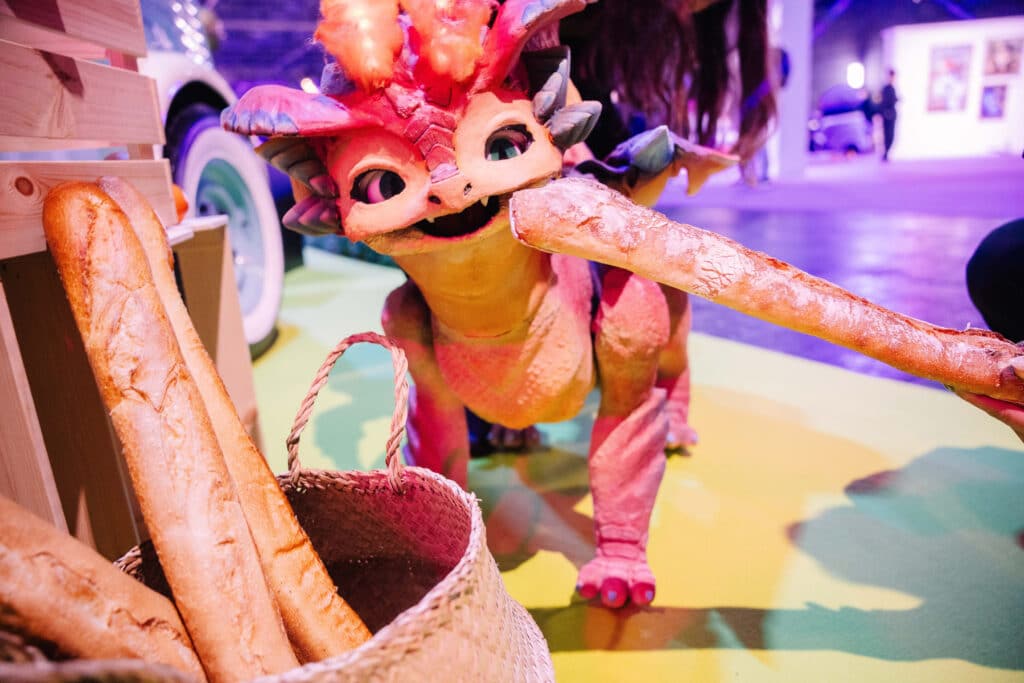
Paper shared a particularly poignant moment, describing how a year prior she had been too shy to approach popular content creator Scarra at another event. This year, the dynamic reversed: “He was one of the first people to approach me and ask for a photo! I was so flabbergasted.” This anecdote perfectly encapsulates the open, level playing field the Paris Open created between developers, content creators, and dedicated fans.
Crowning the Champion (The Competitive Core)
Despite the festival atmosphere, the event remained a major esports tournament at its core. Over 200 PCs were utilized across the Paris Expo floor as 768 hopefuls were whittled down over three intense days. The final showdown featured the top eight players battling on the main stage, complete with roaring cheers from the audience, particularly for regional favorites like Brazilian player Luis ‘Toddy’ Hüttl.
Ultimately, it was Ge ‘Huanmie’ Wuxin who secured the decisive victory and the coveted Tactician’s Belt, prevailing in the final lobby through strategic mastery of a Void composition. Huanmie’s win reinforced the integrity of the tournament structure, yet the defining characteristic of the TFT Paris Open was not the champion crowned, but the culture validated.
By prioritizing shared family spaces, fan creativity, and genuine connection, Riot Games has provided a scalable model for competitive gaming. The event confirmed that Teamfight Tactics Esports will be sustained not just by the tactical prowess of its top players, but by the healthy, evolving, and highly engaged community culture growing around it.